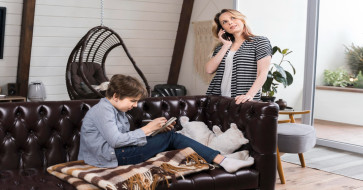
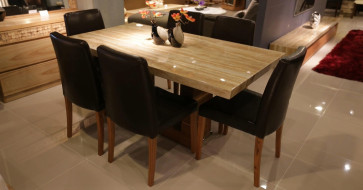
When the sun stays out longer and the calendar fills with visits from friends and family, one question tends to sneak in: “Is my home actually ready for guests?” Not in a Pinterest-perfect way — but in a real comfort, no squeaky bed frames, enough seating for everyone kind of way.
If you're prepping for summer visitors, it’s the perfect time to rethink a few key furniture and mattress pieces. Because let’s be honest — no one wants to offer up the lumpy guest bed or the chair that tilts if you breathe wrong.
1. Give Guests a Bedroom That Doesn’t Feel Like an Afterthought
If your guest bed is just a hand-me-down from your college days, your guests might spend more time counting springs than counting sheep. A good mattress doesn’t need to break the bank — just go for something supportive and breathable. Think medium-firm with a soft top, kind of like a hug but for your back. Add a few fresh pillows, light blankets, and maybe a bedside table wit
Something has shifted in how people think about their homes. By 2026, furniture isn’t chosen to impress visitors—it’s chosen to support the people who actually live there. Homes are becoming quieter, more forgiving spaces. Instead of sharp lines and showroom setups, furniture now reflects real routines: messy mornings, slow evenings, and weekends that stretch without plans. The trend isn’t about “less” or “more.” It’s about ease. If a room feels calm when you walk into it, it’s doing its job.
2. Furniture That Lets You Relax Without Thinking
In 2026, furniture feels like it’s on your side. Sofas are deeper because people don’t sit formally anymore. Chairs curve slightly because bodies don’t like straight lines. Dining tables feel solid because they’re used for more than meals—they hold conversations, laptops, and long cups of coffee. Nothing feels rushed or rigid. Furniture is designed to meet you where
Winter doesn’t just change the weather—it changes how we move through our homes. Evenings stretch longer, silence feels heavier, and comfort becomes something you actively seek. A reading corner isn’t about filling a spare spot; it’s about answering that seasonal shift. It's a location where you can slow down without feeling guilty and were staying in feels deliberate rather than incidental.
2. A Seat That Feels Like It’s Waiting for You
The best reading corners begin with a chair that understands you. Not something stiff or overly styled, but a seat that holds you when the day has done enough. It might be a deep armchair, a window bench layered with cushions, or a well-worn recliner that’s already earned its place. Comfort here isn’t optional—it’s the whole point. If the chair makes you forget time, you’ve chosen well.
The first step in creating timeless furniture is to pay attention rather than browse. Take note of where you typically sit, where you put things down without thinking, and where the space seems unfinished or unpleasant. These small habits reveal what your home is actually asking for. Furniture that responds to real life never feels dated because it was chosen for living, not for looks. When a piece fits your rhythm, it settles in quietly and stays relevant.
2. Choose Pieces That Don’t Fear Time
Some furniture tries to look new forever. Timeless furniture doesn’t. It understands that time will leave marks—and that’s not a flaw. Solid wood that deepens in color, leather that softens, fabric that relaxes with use—these materials grow more familiar instead of worn out. As an item ages, it becomes a part of the house rather than something to be replaced.
Clutter rarely shows up all at once. It collects quietly—an extra blanket here, papers on the counter, shoes that never quite make it back to the closet. One day, the room feels heavier, like it’s asking for a reset. Storage furniture isn’t about hiding mess out of sight; it’s about giving your belongings somewhere to belong. When your space feels lighter, your thoughts often do too.
2. Furniture That Carries the Load for You
The most helpful storage pieces don’t announce themselves. They just work. A bench that swallows bags and shoes. A coffee table that lifts to reveal hidden space. A bed that stores the things you only need once in a while. These pieces quietly support everyday life without adding visual noise. When furniture takes on more responsibility, you don’t have to.
3. Storage That Understands Your Daily Rhythm
Organization only sticks when it matches how you nat
Winter doesn’t knock loudly—it settles in. Days grow shorter, the air feels heavier, and suddenly home becomes more than a place you pass through. You start noticing things: the chair that feels too stiff, the sofa that no longer invites you to curl up, the spaces that feel a little empty once the cold arrives. A winter home makeover isn’t about trends or big changes. It’s about listening to what your home needs when warmth becomes essential.
2. Choose Furniture That Welcomes You In
In winter, furniture should feel like a soft landing. Sofas that invite you to stretch out, armchairs that feel steady and comforting, dining chairs that don’t rush you through meals. This is the season to favor pieces with depth, softness, and weight. Upholstered furniture, rounded shapes, and supportive seating turn ordinary moments into restful ones. When your furniture welcomes you, the cold outside feels less impo
Rustic and minimalism aren’t trends you force into a room—they’re feelings you allow to settle in. Rustic brings memory, texture, and a sense of time. Minimalism brings clarity, space, and quiet. When they come together, a home stops trying to impress and starts trying to support you. The goal isn’t to strip things away or fill the room with character—it’s to create a place that feels steady, warm, and calm enough to breathe in.
Trust Materials That Feel Alive
If there’s one place where rustic and minimalism agree, it’s in materials. Wood that shows its grain. Stone that feels cool and grounded. Linen that wrinkles instead of pretending not to. These materials don’t need decoration because they already carry presence. Let them age. Let them show wear. Minimalism gives them space, and rustic lets them feel human. When your home is built around materials that feel real, it quietly feels more like home.
Dining chairs are never the star of the room, yet they are present for nearly every meaningful moment. They listen to early-morning thoughts, carry the weight of long conversations, and stay steady during celebrations and ordinary days alike. A truly good chair doesn’t ask to be noticed — it allows you to forget about it entirely. When comfort is right, meals stretch naturally, and the table becomes a place people want to return to again and again.
2. When a Chair Understands the Space
A dining chair should feel like it was invited, not squeezed in. The right height lets elbows rest easily. The right width allows movement without bumping into others. When chairs fit the table and the room, the space feels effortless. There’s no awkward shuffling, no constant adjusting — just ease. This harmony between chair, table, and room is what makes a dining area feel calm instead of crowded.