1. Homes That Feel Like They’re Listening to You
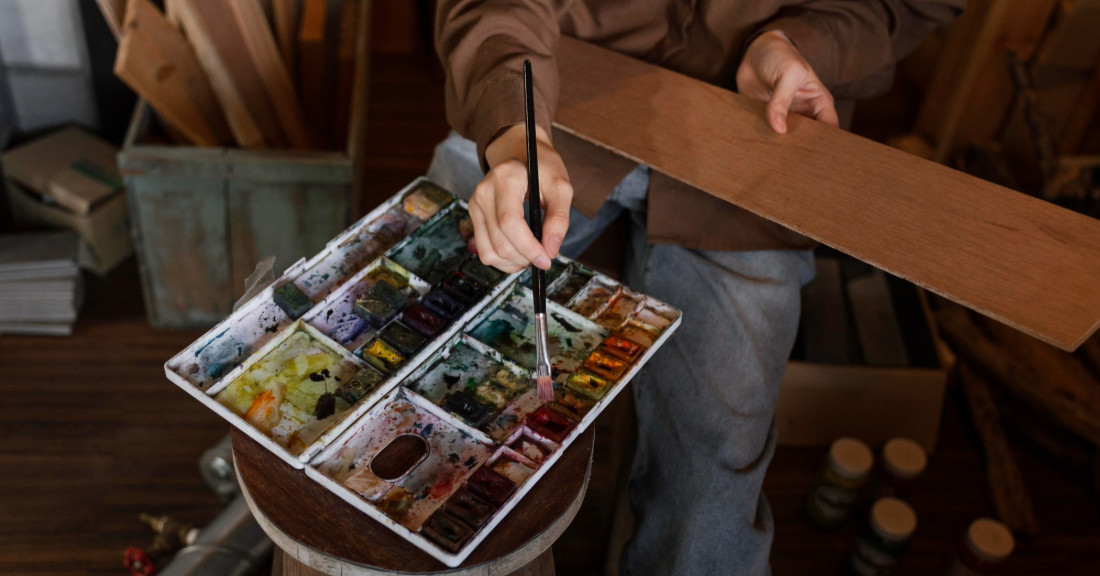
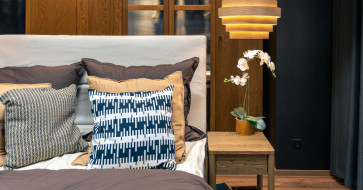
By the time 2026 arrives, our homes won’t be asking to be photographed — they’ll be asking to be felt. After years of sharp edges, fast trends, and spaces designed to impress strangers, people are turning inward. Rustic design isn’t loud enough to interrupt that shift — and that’s exactly why it’s growing. Next year, homes will feel more like companions than showcases. Spaces will be built to listen: to tired bodies, slow mornings, and long conversations that don’t need an end time.
2. Materials That Carry a Past
Rustic design in 2026 will lean into materials that feel like they’ve already lived a little. Wood that shows where it came from. Stone that isn’t polished into submission. Fabrics that crease, fold, and soften with use. People aren’t looking for things that stay perfect anymore — they want things that age alongside them. A table that gathers marks. A chair that remembers where you sit. These materials don’t feel unfinished; they feel honest. And honesty is becoming the most valuable design element of all.
3. Colors That Settle, Not Shout
Next year’s rustic spaces won’t chase bold statements. Instead, they’ll choose colors that stay. Think of tones you don’t get tired of — warm clay, quiet olive, deep oat, weathered brown. Colors that feel like they belong at every hour of the day, especially the quiet ones. These shades don’t demand attention; they earn trust. They make rooms feel like somewhere you’ve been before, even if you haven’t. And that sense of familiarity is what makes a house feel like home.
4. Rustic and Modern Learning to Share the Room
In 2026, rustic and modern design won’t compete — they’ll coexist. Clean lines will give space for rough textures to breathe. Minimal layouts will make room for warmth. A modern sofa will feel better when grounded by a wooden table with real weight to it. This blend won’t feel intentional or styled — it will feel natural. Like a space that evolved over time instead of being designed all at once. That balance is where comfort lives.
5. Furniture Chosen for Life, Not Replacement
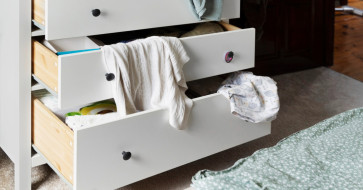
Perhaps the quietest shift happening next year is how people buy furniture. There’s a growing pause before purchase — a question of “Will I still want these years from now?” Rustic furniture answers that without effort. It doesn’t age out; it grows in. Scratches become memories. Wear becomes character. In 2026, people will choose fewer pieces, but they’ll choose them with care. Furniture won’t just fill rooms — it will stay.
Final Thought
Rustic design isn’t returning because it’s nostalgic. It’s growing because it’s grounding. In 2026, homes won’t be built to impress the world — they’ll be built to support the people inside them. And rustic design, in all its quiet warmth and honest beauty, fits perfectly into that future.