1. Homes Are No Longer Trying to Impress
Something has shifted in how people think about their homes. By 2026, furniture isn’t chosen to impress visitors—it’s chosen to support the people who actually live there. Homes are becoming quieter, more forgiving spaces. Instead of sharp lines and showroom setups, furniture now reflects real routines: messy mornings, slow evenings, and weekends that stretch without plans. The trend isn’t about “less” or “more.” It’s about ease. If a room feels calm when you walk into it, it’s doing its job.
2. Furniture That Lets You Relax Without Thinking
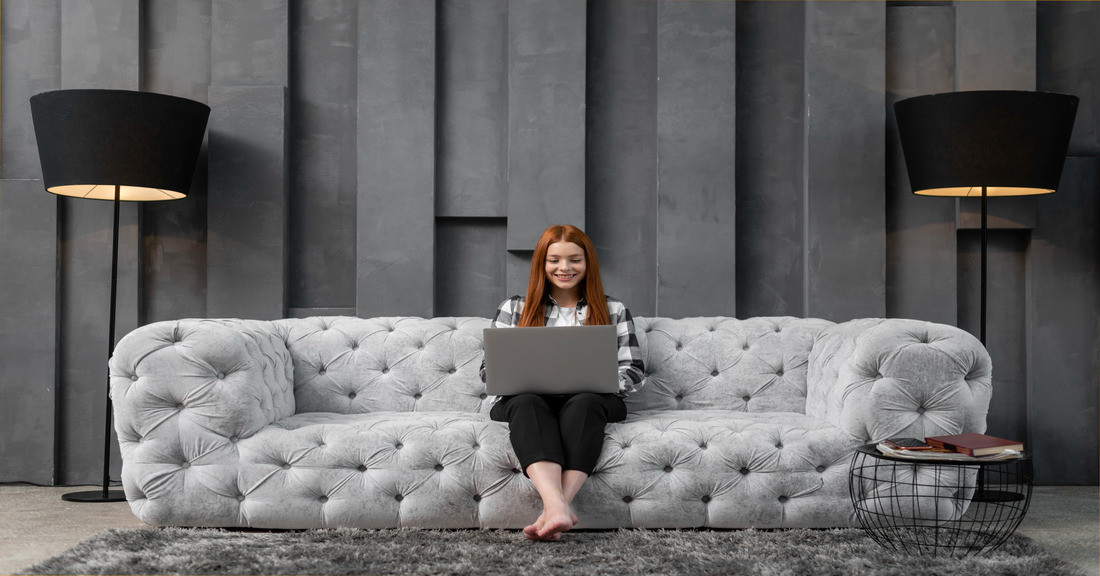
In 2026, furniture feels like it’s on your side. Sofas are deeper because people don’t sit formally anymore. Chairs curve slightly because bodies don’t like straight lines. Dining tables feel solid because they’re used for more than meals—they hold conversations, laptops, and long cups of coffee. Nothing feels rushed or rigid. Furniture is designed to meet you where you are, not where a catalog says you should be sitting.
3. Materials That Feel Familiar, Not Perfect
One of the strongest trends is the return to materials that feel honest. Wood shows its grain. Fabrics feel soft and broken-in instead of stiff and new. Furniture isn’t afraid of fingerprints, small scratches, or wear. In fact, those signs of life are welcome. People are tired of worrying about their furniture. In 2026, furniture is meant to live alongside you, not make you nervous every time someone sits down.
4. Buying Less, Caring More
Rather than filling rooms quickly, people are slowing down. There’s a growing preference for choosing fewer pieces and choosing them well. A sofa that stays for years. A storage piece that adapts as life changes. Furniture is no longer disposable or seasonal. When something earns its place in the home, it stays. This shift makes spaces feel more grounded and personal—less like a trend and more like a story unfolding over time.
5. Furniture That Grows with You
The most popular furniture in 2026 isn’t flashy. It’s flexible. Pieces that can move rooms, change purposes, or still feel right after a move are quietly winning. Modular seating, thoughtful storage, and timeless shapes allow furniture to evolve instead of being replaced. Life doesn’t stay still, and furniture finally reflects that reality. When furniture adapts to you, your home starts to feel steady—even when everything else changes.
Closing Thought
Furniture trends in 2026 aren’t loud. They don’t demand attention. They support real life in small, meaningful ways. When furniture feels comfortable, honest, and adaptable, your home stops feeling like a project and starts feeling like a place you can rest. And in today’s world, that might be the most valuable trend of all.